Together to Help the World Better
The first time Amina joined a community meeting, she sat in the back. Her hands were folded. Her voice was quiet. She had survived a flood that washed away her home, a winter that stole her harvest, and years of waiting for help that rarely arrived in the form she needed. But this meeting was different. It wasn’t outsiders announcing a plan. It was neighbors—farmers, teachers, mothers, elders—mapping their own solutions on a hand-drawn chart. When Amina finally spoke, she didn’t ask for aid. She proposed a seed bank. Two years later, that seed bank feeds forty families through lean seasons and supplies organic starter kits to new growers across three villages.
This is what “together” looks like in action. Not a slogan. Not a photo opportunity. But a quiet, stubborn belief that the people closest to the problem hold the keys to the solution—and that lasting change happens when we build bridges, not deliver boxes.
Why “Together” Isn’t Just a Word—It’s a Method
At Bridge of Humanity, we’ve learned that sustainable impact doesn’t flow from the top down. It grows from the ground up. When communities lead, solutions stick. When dignity is centered, recovery accelerates. When resources are shared transparently, trust deepens.
Our approach rests on four pillars of collective action:
- Listen First, Act Second: Every project begins with community consultation—not to validate a pre-written plan, but to uncover local wisdom, priorities, and existing assets.
- Co-Create, Don’t Impose: We partner with local elders, women’s cooperatives, youth groups, and faith leaders to design interventions that fit cultural context and practical reality.
- Build Capacity, Not Dependency: Training, tools, and transparent systems empower communities to maintain, adapt, and scale solutions long after our field teams move on.
- Measure What Matters: We track not just outputs (wells dug, meals served) but outcomes (school attendance rising, maternal health improving, household savings growing).
This isn’t idealism. It’s evidence. Programs built with communities achieve 3–5x higher long-term adoption rates than those delivered to them.
Real Stories: When “We” Becomes Stronger Than “I”
In the floodplains of Sunamganj, seasonal waters once meant loss. Now, a coalition of twelve villages manages a shared early-warning system, elevated grain stores, and a rotating emergency fund. When monsoon rains rose last year, no family lost their harvest. No child missed school. “Before, we feared the water,” says community leader Karim. “Now we prepare for it—together.”
In the drought-prone chars of Rangpur, women’s agricultural cooperatives pool land, labor, and knowledge to grow organic vegetables. They share irrigation tools, negotiate bulk sales, and reinvest profits into a community health fund. Membership has tripled in three years. “Alone, I could feed my family some days,” shares cooperative member Fatima. “Together, we feed our future.”
In urban settlements of Dhaka, youth volunteers partner with Bridge of Humanity to run weekend learning circles for children who work during the week. They don’t just teach letters—they teach rights, hygiene, and hope. “I was once that child,” says 19-year-old tutor Rahim. “Now I help others see a path forward. That’s how change multiplies.”
The Ripple Effect: How Collective Action Transforms Systems
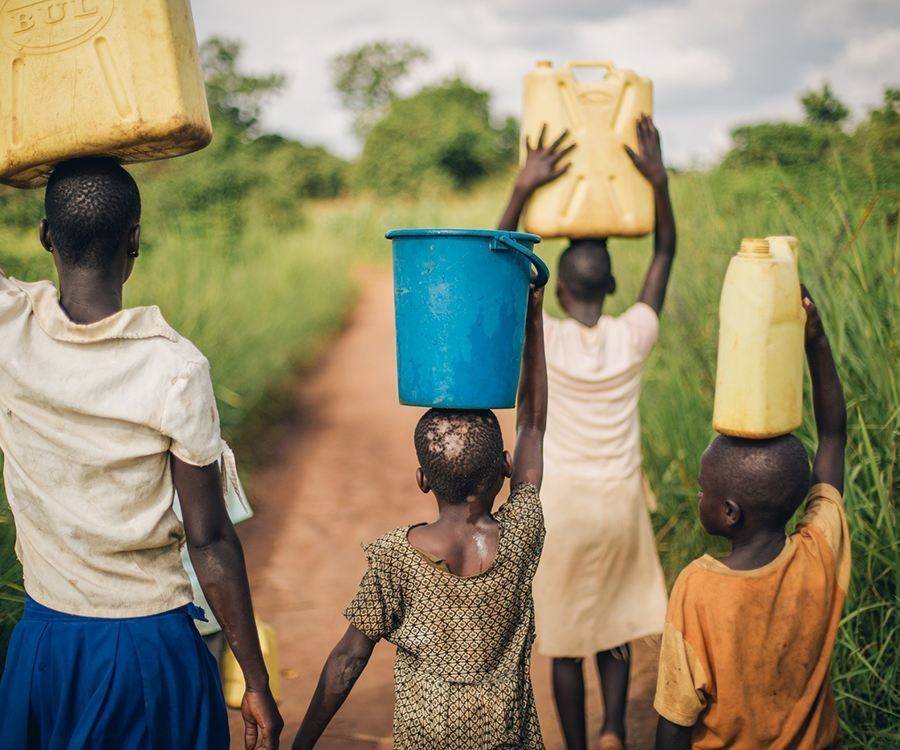
When communities lead, impact compounds. A single clean-water project doesn’t just reduce illness. It frees up hours each day once spent fetching water—hours that become time for school, income, or rest. A women’s cooperative doesn’t just increase household income. It shifts decision-making power, improves child nutrition, and models leadership for the next generation.
This is the multiplier effect of “together”:
- Health improves when clean water, nutrition, and education are addressed as interconnected rights
- Economies strengthen when local skills, savings, and supply chains are invested in
- Resilience grows when communities share knowledge, resources, and early-warning systems
- Peace deepens when diverse groups collaborate toward shared goals
Honesty About the Journey
We don’t pretend this work is simple. Collective action takes time. Trust must be earned. Power dynamics must be navigated with humility. Climate shocks, market volatility, and political instability remain real challenges. That’s why we commit to:
- Long-term partnerships, not short-term projects
- Transparent reporting, including setbacks and lessons learned
- Adaptive management, adjusting strategies based on community feedback and changing conditions
- Shared accountability, where communities and supporters alike hold us to our promises
Progress isn’t a straight line. But when we walk it together, every step counts.
How You Can Join This Movement
Helping the world better isn’t reserved for the wealthy, the powerful, or the perfectly qualified. It’s available to anyone willing to listen, learn, and lend a hand. Here’s how to start:
- Give with intention: Support integrated, community-led programs that address root causes, not just symptoms. Even small, consistent donations create compounding impact.
- Amplify local voices: Follow, share, and uplift the stories of community leaders, farmers, teachers, and youth driving change from within.
- Advocate for equity: Support policies that fund smallholder agriculture, protect water resources, and prioritize climate adaptation in vulnerable regions.
- Live in solidarity: Reduce waste, conserve resources, and choose products that support fair, transparent supply chains. Your daily choices shape global systems.
- Stay curious: Ask questions. Learn about the places and people your support reaches. Humility and curiosity are the foundations of true partnership.
A World Built by Many Hands
The world doesn’t need more saviors. It needs more partners.
It needs the farmer who shares seeds, the teacher who stays late, the mother who organizes her neighbors, the youth who mentors a younger child, the donor who trusts community wisdom, the advocate who amplifies marginalized voices.
At Bridge of Humanity, we believe that peace, dignity, and sustainability aren’t delivered. They’re built—brick by brick, harvest by harvest, conversation by conversation—by people who refuse to accept that the world must remain as it is.
Amina no longer sits in the back. She facilitates community meetings. She trains new cooperative members. She speaks at regional forums about women’s leadership in climate adaptation. Her voice is steady now. Her hands are busy. Her hope is active.
That is the promise of “together.” Not a perfect world. But a better one. Built by many hands. Sustained by shared purpose. Advanced by your choice to join us.
The bridge is being built. Will you walk it with us?

All Categories
Recent Posts
Donation is Hope for Poor Childrens
A Place where Start New Life with Peace